

Strength Training for Sarcopenia: How Much Is Enough?
A new meta-analysis has identified specific training volume targets for improving strength and walking ability in sarcopenic older adults — here's what the numbers mean

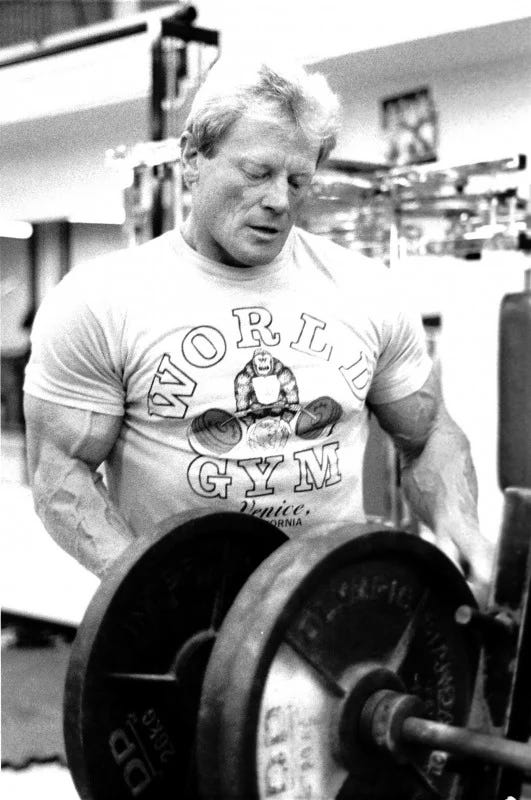
A new systematic review and meta-analysis of 25 randomised controlled trials has found that resistance training significantly improves muscle strength, walking ability, and body composition in older adults with sarcopenia, and for the first time, it has identified specific training volume targets that appear to maximise those benefits.
The study, published in 2025, pooled data from 1,302 older adults across 11 countries, aged 60 to 87, all diagnosed with sarcopenia. Researchers applied the FITT-VP framework, a structured model covering Frequency, Intensity, Time, Type, Volume, and Progression, to determine how much and at what dose of strength training is most effective.
Aim
Sarcopenia affects 10–16% of older adults globally and up to 50% of those over 80. It is linked to falls, fractures, cognitive decline, reduced quality of life, and higher mortality. While resistance training is already endorsed by the American College of Sports Medicine as a first-line treatment, previous research had not established clear dose thresholds — practitioners have largely been working from general guidelines rather than evidence-based volume targets. This review aimed to fill that gap using non-linear dose-response modelling.

Methods
Researchers searched five major databases, including PubMed, Cochrane Library, Embase, SPORTDiscus, and Web of Science, identifying 7,919 studies initially. After removing duplicates and screening for eligibility, 25 randomised controlled trials were included in the final analysis.
All 25 trials used resistance training as the primary intervention, covering modalities including free weights, elastic bands, kettlebells, body-weight training, and chair-based strength training. Only studies involving adults aged 60 or older with a confirmed sarcopenia diagnosis were included.
Cumulative training volume was calculated as session duration multiplied by weekly frequency multiplied by total weeks. Restricted cubic spline regression was then used to model the non-linear relationship between total training volume and outcomes.

Whey Protein and Resistance Training Improves Insulin Resistance in Older Men With Type 2 Diabetes


Results
Resistance training produced significant improvements across all major outcome categories: