

Can Sex Before Competition Impact Performance?
A new scoping review of every controlled study ever conducted on the topic finds the ancient abstinence rule has no scientific foundation, as long as athletes plan ahead.

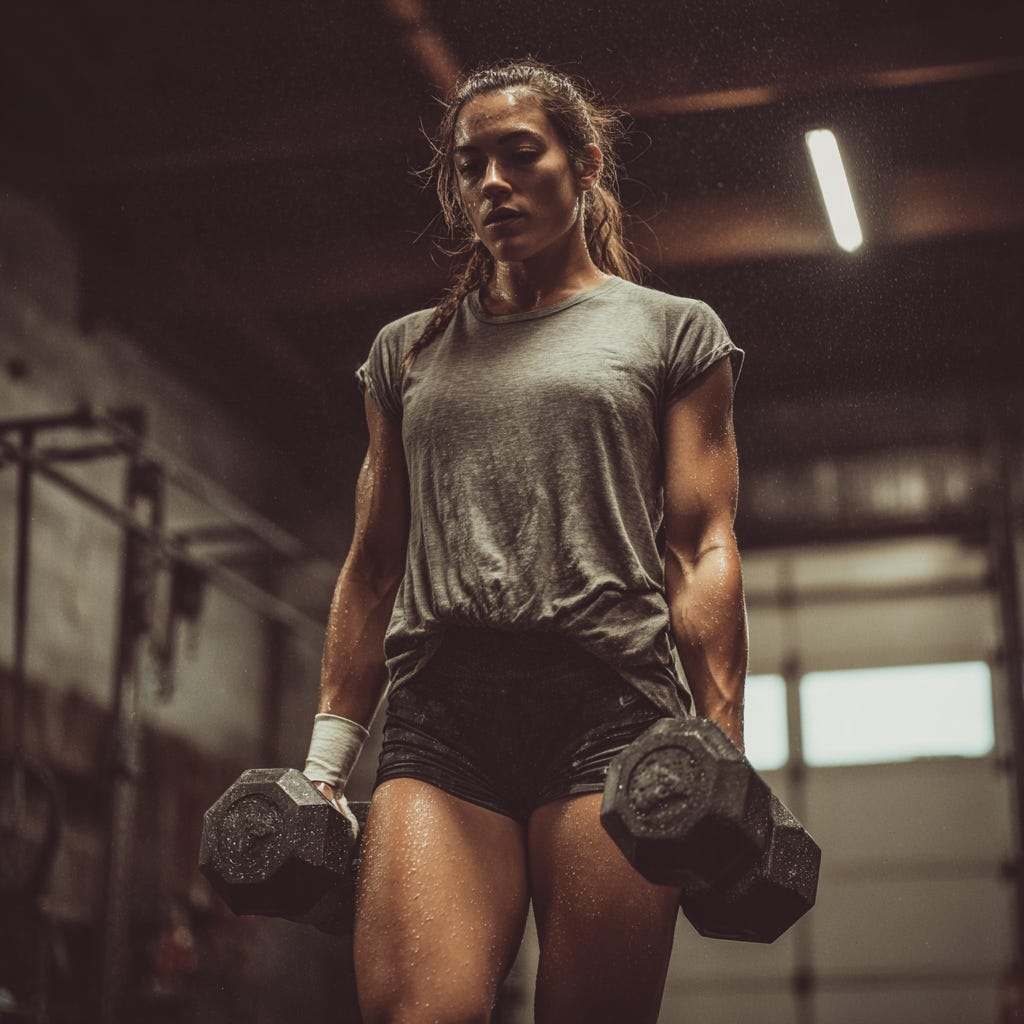
Athletes have been told for centuries to abstain from sex before competition. Ancient Greeks and Romans believed it depleted energy, sapped aggression, and lowered testosterone. A new scoping review, published in the International Journal of Sports Physiology and Performance (February 2026), has mapped every credible controlled study on the topic and reached a pretty clear verdict: the old abstinence doctrine is not supported by evidence. The real issue is not whether athletes have sex before competing. It is when they do it, and what they believe about it.
Aim
Researchers from institutions in Tunisia, Qatar, France, and Australia conducted a formal scoping review to map all existing scientific literature on the acute and delayed effects of sexual activity on athletic performance across diverse exercise modalities, demographic groups, and mechanistic pathways. Four core questions guided the work:
What are the acute effects (within 2 hours)?
What are the delayed effects (2 to 24 hours)?
How do demographic factors like sex, age, and ethnicity influence outcomes?
What biological or psychological mechanisms explain the results?

Methods
Researchers searched five major electronic databases (PubMed/Medline, Scopus, Web of Science, PsycINFO, and Google Scholar) from inception through July 2025, with no language or date restrictions. “Sexual activity” was broadly defined to include intercourse, masturbation, and any orgasm-culminating activity, reflecting how the term was operationalised across existing studies. Performance outcomes included strength, endurance, power, speed, reaction time, and sport-specific skills.
Two independent reviewers screened titles and abstracts, with disagreements resolved through discussion or arbitration. Initial screening showed 96% agreement between reviewers, and just 8 articles (3.2% of screened full texts) required consensus resolution. Because study designs, demographics, and outcome measures were too varied for meta-analysis, a narrative synthesis was used to organise findings across the four research questions.


Results
The available body of evidence is small and heavily skewed. Only 9 controlled studies with a combined 133 participants have ever examined this question, with sample sizes ranging from just 2 to 16 people per study. Critically, 99% of participants in the existing literature were male, and virtually all were aged between 20 and 40 years.
Timing is everything. Across aerobic fitness, muscular endurance, and strength, sexual activity occurring at least 10 to 12 hours before performance testing produced no measurable performance decrements. Where problems did emerge, they were consistently tied to short recovery windows:
Heart rate recovery was significantly elevated at 5 and 10 minutes post-exercise when sexual activity occurred within 2 hours, but fully normalised by 10 hours.
One study of 16 men found maximal squat performance dropped 2.2% (from 109.4 kg to 107.0 kg) when sexual activity occurred within 24 hours, a finding specific to compound, maximal-effort movements rather than isolated strength tests.
A study of 75 recreational marathon runners found that sexual activity within 48 hours produced only a trivial correlation with race performance.
The energy argument doesn't hold up. Sexual activity burns approximately 85 kcal per episode, at a metabolic intensity of only 1.8 to 2.8 METs (a light-to-moderate effort, comparable to a slow walk). This is physiologically insufficient to deplete energy stores in any meaningful way for trained athletes.
Athlete perception is a major factor. Surveys within the evidence base show that 40% of athletes believe sex immediately before competition will hurt their performance, while 90% report no negative effects when it occurs at least 12 hours out. The psychological expectation of impairment can itself become a self-fulfilling prophecy. Athletes who believe they have compromised their preparation tend to disengage from beneficial pre-competition behaviours, not because of the sex itself, but because of what they believe about it.
Sleep may be the hidden variable. Post-orgasm hormonal releases (oxytocin, endorphins, dopamine) and reductions in cortisol are associated with improved sleep efficiency and fewer nocturnal awakenings. Since sleep is one of the most important drivers of training adaptation and performance, sexual activity before bed may actually provide an indirect benefit, though this evidence comes largely from general population research and has not been formally tested in athletes.
Key Takeaways
Give it 10 to 12 hours. Sexual activity at least 10 to 12 hours before competition is consistently associated with no performance impairment across aerobic, anaerobic, and skill-based tasks.
Maximal strength athletes should be cautious within 24 hours. The one study to report a meaningful strength reduction involved maximal compound lifts (squats), not isolated or isokinetic movements. Powerlifters and Olympic lifters approaching a competition or a 1RM attempt may benefit from a longer buffer.
Sleep is more important than abstinence. Disrupted sleep and confounding behaviours (late nights, alcohol, dehydration) are far more likely to impair performance than the sexual activity itself.
Know your own psychology. Athletes who hold strong beliefs that sex impairs their performance are likely to act in ways that confirm that belief. Self-monitoring during training (not competition) is the best way to understand your own individual response.
The science is almost entirely male. With 99% male participants and no studies on athletes outside the 20 to 40 age bracket, none of these findings can be reliably applied to female athletes, adolescents, or older competitors.
A Word on the Evidence Quality
This review is ultimately mapping a very thin literature. Nine controlled studies, all small, all almost exclusively male, conducted in labs rather than competition settings, and using vastly different methods. The findings are consistent enough to draw tentative, practical conclusions, but robust, sex-inclusive, longitudinal research simply does not yet exist. Coaches and athletes should treat the current evidence as directional, not definitive.
Reference
Dhahbi, W., Briki, W., Dergaa, I., Slim, I., El Omri, A., Pyne, D. B., & Ben Saad, H. (2026). Acute and Delayed Effects of Sexual Activity on Athletic Performance: A Scoping Review Across Sex, Age, and Ethnicity. International Journal of Sports Physiology and Performance (published online ahead of print 2026). Retrieved Mar 3, 2026, from https://doi.org/10.1123/ijspp.2025-0454

You can also find me at dannyleejames.com for stories, personal training insights, and coaching.