

Long Muscle Length Training Is Not Necessary for Biceps Growth, New Study Suggests
Mixing long and short positions produced the same size and strength gains as staying in a fully lengthened range.

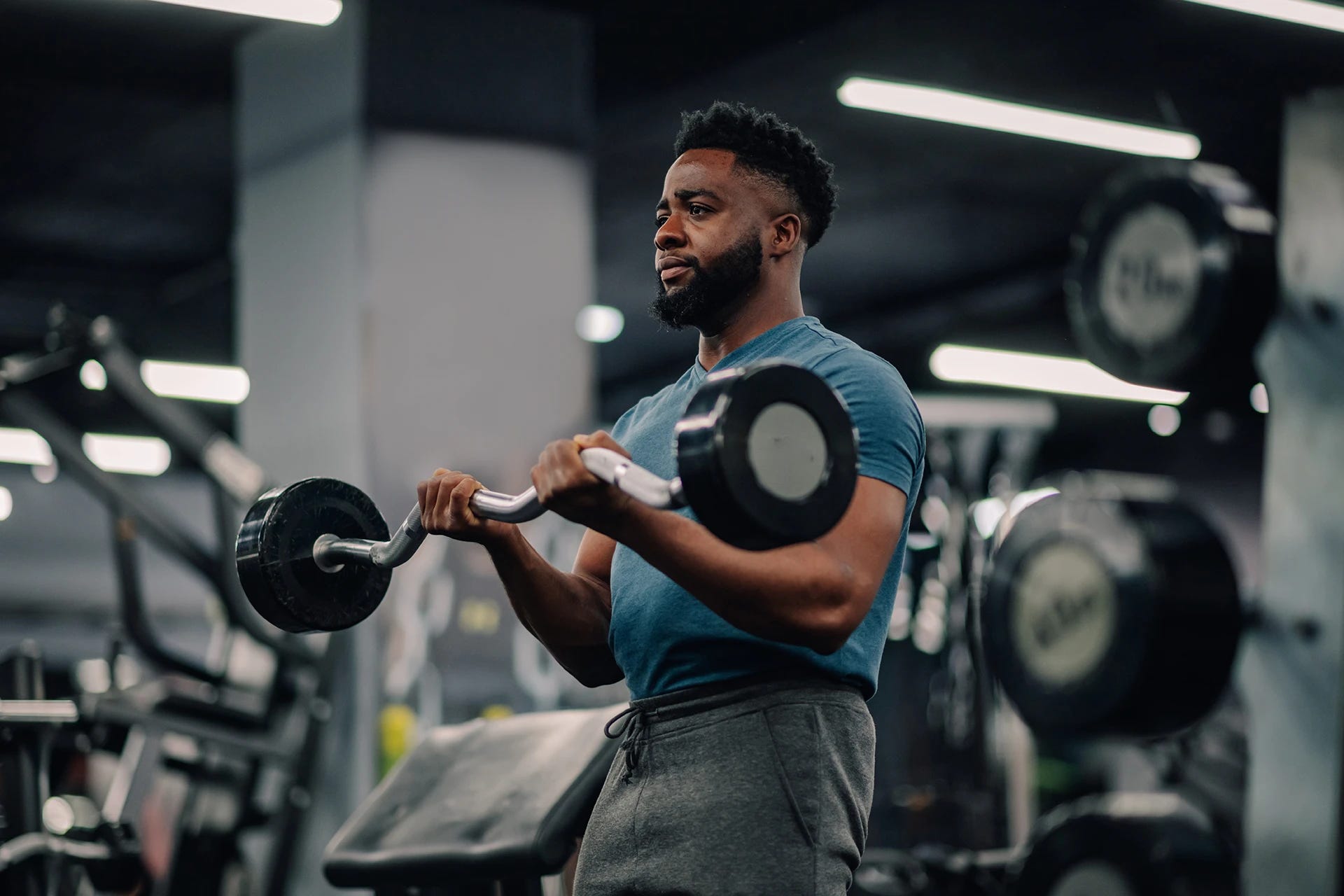
Anyone who follows training science has probably heard how training at "long muscle lengths," the idea that lifting through a deep stretch position grows muscle better than training through a shorter range. This study, out of Florida Atlantic University's Muscle Physiology Lab, put that idea to a direct test in the biceps. Researchers wanted to know if training only at long muscle lengths actually beats a mixed approach that combines long and short positions. This matters because most lifters do not train one single range of motion all day. They use a variety of exercises and angles. If mixing lengths is just as good as staying long, that changes how rigid people need to be when programming their curls.
Aims and Methods
The researchers recruited seven recreationally trained lifters and used a within-participant design, meaning each person’s two arms were randomly assigned to different conditions, then the whole thing was repeated a second time after a washout period. This gave them statistical power similar to that of fourteen separate participants.
One arm is trained using only a lengthened cable curl, performed from a seated position with the shoulder extended. This is the LONG condition. The other arm split its training volume evenly between that same lengthened curl and a shortened cable curl performed standing with the shoulder flexed. This is the MIXED condition. Total weekly volume was matched between arms.
Over eight weeks, researchers tracked muscle size using ultrasound, dynamic and isometric strength, arm circumference, and how sore and fatigued each arm felt after sessions. Instead of simple yes or no statistics, they used a Bayesian approach that estimates the probability and size of an effect, with researchers and a glossary at the end if you want to dig into how this style of analysis works.


